Anerley High Street business cleaning solutions for shops
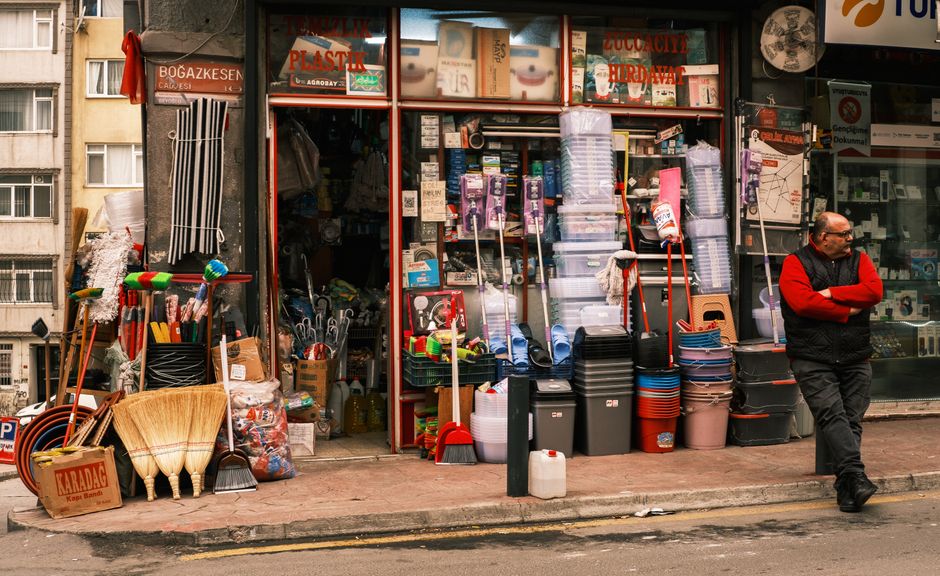
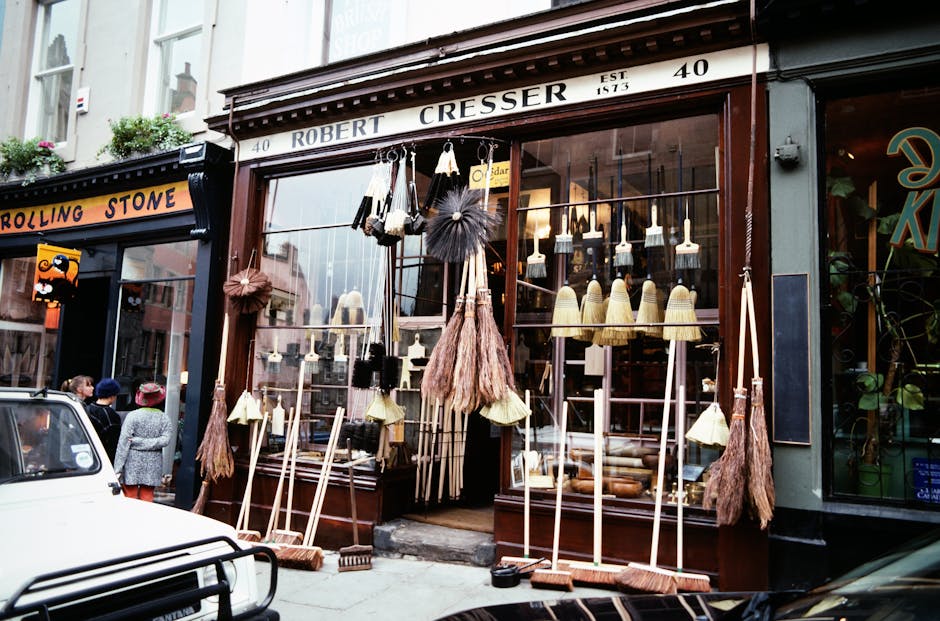
Running a shop on Anerley High Street means every detail is on display. The floor by the entrance, the marks near the till, the patch of dust under the window display, even the faint smell after a busy day all shape how customers feel. That is why Anerley High Street business cleaning solutions for shops are not just about looking tidy. They help protect your reputation, support staff morale, and keep day-to-day trading smoother. Truth be told, a clean shop often feels calmer to work in as well.
If you manage a convenience store, salon, boutique, off-licence, phone shop, charity shop, or small retail unit, the right cleaning approach needs to be practical, consistent, and not disruptive. In this guide, you will find clear advice on how shop cleaning works, what matters most, where the hidden problems usually appear, and how to choose services that genuinely fit a retail environment. We will also cover useful best practice, compliance considerations, and a few real-world pointers that make life easier when the doors open at 8am and the rush starts. No fluff. Just the stuff that helps.
Why Anerley High Street business cleaning solutions for shops Matters
A shop can be full of great products and still lose people at the door if the place looks neglected. Customers notice the floor first, then the glass, then the smell, then the little things: sticky handprints on a fridge door, scuffs around the entrance mat, dusty shelf edges, or a tired patch of carpet behind the counter. On a busy stretch like Anerley High Street, where footfall brings in dirt, rainwater, grit and the odd spill, these things build up quickly.
That is the real reason specialist retail cleaning matters. It is not about making a shop look like a showroom every minute of the day. It is about keeping standards consistent enough that customers trust the space and staff can work without fighting grime all shift. A clean shop feels organised. A messy one feels a bit off, even if the stock is excellent. People are funny like that, aren't they?
There is also a practical side. Dirt tracked in from outside can shorten the life of flooring, especially carpets and runners at entrances. Food spills can become odours. Upholstered chairs in a small reception area can hold onto dust and stains. Retail cleaning solutions reduce the wear and tear that sneaks up slowly and becomes expensive later. If your premises include soft furnishings or carpeted areas, it can be worth looking at commercial carpet cleaning as part of the wider plan, rather than treating it as a one-off rescue job.
For business owners on a road like this, presentation also affects confidence. If you are meeting customers face to face, tidy surfaces and fresh floors quietly tell them that you care about the details. That message matters more than people admit.
How Anerley High Street business cleaning solutions for shops Works
Shop cleaning is usually built around a few core tasks, then adjusted to the type of retail space. A small card shop will not need the same routine as a busy food retailer, and a boutique with fitting rooms will have different priorities from a vape shop or convenience store. The good cleaning plans are the ones that notice those differences.
Most solutions start with a walkthrough or at least a proper conversation about the layout. Where do people enter? Where does dirt collect? Which surfaces get touched constantly? Where do spills happen? What needs to be done before opening, during the day, or after closing? Once those basics are clear, the work can be scheduled in a way that does not trip over trading hours.
In practice, a retail cleaning schedule usually includes:
- Front-of-store cleaning, including display areas and door handles
- Floors, especially entrances where grit and rain are brought in
- Window and glass touchpoint cleaning
- Countertops, till areas, and customer-facing surfaces
- Washrooms, if the premises have them
- Back-of-house areas, staff rooms, and storage spaces
- Periodic deep cleaning for carpets, upholstery, and stain-prone zones
The method changes depending on the surface. Hard floors need different care from carpet tiles. Fabric seating needs different treatment again. For instance, if your shop has waiting chairs, a fitting room stool, or a soft bench in a customer lounge, upholstery can hold dust, odours, and visible marks far longer than people expect. That is where upholstery cleaning becomes useful, especially in places where customers sit down briefly but notice everything.
There is usually also a practical scheduling layer. Some shops need an early-morning clean before opening. Others prefer a later service once staff have locked up. In busier retail settings, quick maintenance cleaning during quieter periods can be the difference between a shop that just copes and a shop that feels genuinely well-run. Small thing, big effect.
Key Benefits and Practical Advantages
The obvious benefit is appearance, but there is more to it than that. A proper retail cleaning routine gives you a handful of gains that stack up over time.
- Better first impressions: Customers are more likely to feel comfortable walking in, browsing, and staying a while.
- Longer-lasting fixtures and finishes: Dirt, grit and moisture can wear down carpets, mats and upholstery faster than you think.
- Improved hygiene: Touchpoints, shared seating and customer areas stay cleaner between deep cleans.
- Staff comfort: A tidy workplace tends to feel less stressful and easier to manage.
- Fewer emergency cleans: Regular maintenance means fewer panic moments after spills or heavy weather.
- More predictable costs: Planned cleaning is usually easier to budget for than repeated reactive fixes.
There is also a subtle commercial advantage. Clean shops are easier to merchandise. When shelves are dust-free and floors look cared for, products simply stand out better. It sounds obvious, but people often miss it. The cleaning does not just support the shop; it supports the selling.
Expert summary: The best Anerley High Street business cleaning solutions for shops are the ones that quietly protect trading, reduce wear, and keep the customer experience consistent without getting in the way of day-to-day work.
If your premises use carpet in some areas and harder flooring elsewhere, combining standard maintenance with steam carpet cleaning can be a practical way to tackle deeper soil build-up without leaving a heavy chemical smell behind. That can matter in smaller shops where space is tight and air circulation is not exactly generous.
Who This Is For and When It Makes Sense
This kind of cleaning makes sense for a wide range of retailers, but especially for businesses that rely on footfall, display quality, and a decent in-person experience. A tiny amount of dirt in the wrong place can put people off. Not always, but enough to notice over time.
You may need dedicated shop cleaning if you run:
- Convenience stores and mini-markets
- Fashion or footwear shops
- Beauty salons and treatment rooms with retail areas
- Mobile phone and repair shops
- Charity shops and resale stores
- Gift shops, newsagents, and stationers
- Pet supply shops
- Small hospitality retail units with counters or waiting areas
It also makes sense if your team is already stretched thin. In fairness, many independent shop owners are doing five jobs before lunch. Cleaning often gets pushed to the end of the list, then suddenly becomes a bigger issue than expected. If that sounds familiar, a structured cleaning plan can lift a surprising amount of pressure from staff.
There are moments when specialist help is especially worthwhile:
- After refurbishment or fit-out work
- Following wet weather and heavy customer traffic
- When stains keep reappearing in the same area
- When a shop has carpeted seating or display zones
- Before a seasonal promotion or busy trading period
If your shop has rugs, entrance runners or decorative textile pieces, it may help to include rug cleaning as part of the maintenance plan. Rugs can look fine from a distance and still hold a lot of trapped soil. Sneaky little things.
Step-by-Step Guidance
If you are planning cleaning for a shop on Anerley High Street, a sensible process keeps things simple. Here is a straightforward way to approach it.
- Walk the premises with fresh eyes. Look at the shop as a customer would. Check the entrance, glass, shelves, floor edges, till area, and staff spaces.
- Separate daily needs from deep-clean needs. A quick wipe-down is not the same as stain removal or periodic carpet care.
- Identify problem materials. Carpet, upholstery, curtains, mats and rugs each need their own method. One product does not suit all.
- Choose cleaning times that avoid disruption. Before opening or after closing is often simplest, though quieter daytime work can suit some shops.
- Set a realistic routine. Daily touchpoint cleaning, weekly deeper tasks, and periodic specialist work is usually more manageable than an ambitious plan nobody follows.
- Keep records of recurring issues. If one entrance keeps getting muddy or one chair keeps staining, there may be a layout or usage issue to solve.
- Review the results after a few weeks. A plan should evolve. If it is too light, increase frequency. If it is too much, trim the parts that are not adding value.
One practical tip: start with the highest-visibility areas first. Customers notice the entrance and checkout line before anything else. A spotless back room is useful, of course, but it will not save a dusty display window. Priorities matter.
If the shop has odour problems from pets, damp stock, or old spill residue, targeted treatment may be needed rather than standard cleaning alone. In those cases, pet stain and odour removal can be a relevant extra layer, especially where smells linger in fabric or carpet fibres long after the visible mark is gone.
Expert Tips for Better Results
Here is the part many people skip: the little habits that make cleaning work better in the real world. Not glamorous, but useful.
- Use entry control seriously. A decent entrance mat catches far more dirt than a quick sweep ever will.
- Deal with spills early. The first ten minutes matter. After that, the job usually gets harder and the stain gets bossier.
- Match products to surface type. Strong cleaner on the wrong finish can cause dulling, residue, or damage.
- Keep touchpoints on a rotation. Door handles, counters, card machines and railings should not be treated as optional extras.
- Build around trading patterns. If Saturdays are packed, do not plan your biggest clean for Saturday afternoon. Obvious? Yes. Easy to forget? Also yes.
- Watch for smell as well as sight. A clean-looking shop can still feel stale if fabrics or carpets hold odours.
- Review the back of house. Staff areas and storage rooms affect the whole building more than people think.
Another useful habit is to treat stains as a category, not just a spot. Ink, coffee, grease, mud, makeup, adhesive residue and drink spills all behave differently. If one type keeps showing up, use the right method rather than repeating the same failed one. For stubborn marks on fabric or carpet, a dedicated stain removal approach is often more effective than repeated scrubbing, which can spread the problem or rough up the fibres.
A small human note from everyday retail reality: the cleanest shops are not always the fanciest. They are usually the ones with routines that someone actually follows. A five-minute reset at the right time can do a lot. A lot.
Common Mistakes to Avoid
Shop cleaning goes wrong in predictable ways. The good news is that most of them are avoidable.
- Only cleaning when things look bad. By then, dirt has already settled and stains may have set.
- Ignoring hidden areas. Corners, skirting boards, under counters and behind fixtures are easy to miss.
- Using the wrong equipment for the floor. Some vacuums and mops are fine for quick work but poor for deeper maintenance.
- Leaving carpets too long between cleans. Traffic lanes become visible, especially near tills and doorways.
- Skipping fabric care. Chairs, benches and curtains can quietly make a shop feel older than it is.
- Assuming one clean solves everything. Retail premises usually need a layered routine, not a one-off rescue.
Another common issue is over-cleaning with too much water or too much product. That can lead to residue, longer drying times, and sometimes a musty smell. Nobody wants a shop that still feels damp at opening time. So, to be fair, restraint matters as much as effort.
If your premises contain curtains or decorative window treatments, those can hold dust and airborne particles in a way that surprises many owners. That is why some retail spaces benefit from periodic curtain cleaning, especially if the fabric sits close to traffic or the front window.
Tools, Resources and Recommendations
You do not need an endless list of products to keep a shop clean, but you do need the right basics. The most helpful setups are usually straightforward.
- Microfibre cloths for dusting and touchpoint cleaning
- Colour-coded cloths or mop heads to reduce cross-contamination
- A reliable vacuum suitable for commercial flooring
- Spot-treatment products chosen for the right material
- Entrance mats that are large enough to be useful, not just decorative
- Schedule sheets or a simple checklist for opening and closing tasks
- Protective gloves and safe storage for cleaning materials
For businesses with a mix of textile surfaces, it can help to think in categories rather than individual items. Carpets, rugs, sofas, curtains and chairs each need their own approach. That is where a broader service mix can be useful. For example, carpet cleaning supports floor hygiene, while sofa cleaning or upholstery care helps waiting areas and staff lounges feel fresher. Not every shop will need all of this, of course. But if you have soft furnishings, it is worth planning ahead rather than reacting later.
If you are comparing providers or trying to budget properly, it is sensible to review pricing and quotes early, because the cost often depends on shop size, surface types, frequency, and whether deep-clean work is needed. A vague quote helps nobody. A clear one saves time.
Law, Compliance, Standards and Best Practice
For shop owners, cleaning is not only about presentation. It sits close to safety, welfare, and general business responsibility. The exact obligations will depend on your premises and operations, but good practice in the UK usually includes keeping floors safe, reducing slip risks, storing cleaning chemicals correctly, and making sure staff know what to do if a spill happens.
That does not mean every shop needs a complex manual. It means the routine should be sensible and documented enough that people actually follow it. If you employ staff, you should think about basic health and safety controls, safe handling of products, and how cleaning fits around trading without creating hazards. Wet floors, cluttered walkways and poorly stored equipment can create problems very quickly.
It is also wise to check that anyone working on your premises has appropriate insurance and follows a recognisable safety process. For peace of mind, you can review the provider's insurance and safety information and their health and safety policy. That is not overcautious. It is just sensible business due diligence.
Where relevant, environmental practice matters too. Responsible waste handling, careful use of materials, and a more thoughtful approach to resource use all fit modern retail expectations. If sustainability matters to your brand, checking a provider's recycling and sustainability approach can be a good extra step.
And if you are the sort of owner who likes to know how service providers handle things behind the scenes, their about us page and terms and conditions can help you understand how the relationship is managed. Boring? Maybe a little. Useful? Definitely.
Options, Methods, or Comparison Table
Different shop cleaning methods suit different problems. There is no single best option, only the best option for the surface, the schedule, and the level of grime.
| Method | Best for | Strengths | Watch-outs |
|---|---|---|---|
| Daily maintenance cleaning | High-touch retail areas, floors, counters | Keeps the shop presentable, fast to carry out, easy to repeat | Will not remove deep-set stains or embedded soil |
| Spot stain treatment | Spills, marks, and localised damage | Targets visible issues quickly | Wrong product or heavy rubbing can worsen the mark |
| Steam cleaning | Carpets and some fabric surfaces | Good for deeper cleaning and fresher results | Needs drying time and should suit the material |
| Upholstery care | Chairs, benches, waiting areas | Improves appearance and reduces odours | Fabric type and stain type both matter |
| Periodic deep clean | Busy shop floors, entrances, and textile-heavy areas | Resets tired areas and supports longer life | Usually more disruptive and better scheduled outside trading peaks |
In many shops, the best approach is a blend. A quick daily routine keeps standards up, while periodic deep cleaning handles what regular wiping cannot. That combination is usually more cost-effective than waiting until everything looks tired and then trying to fix it all at once. Been there, seen that, not pretty.
Case Study or Real-World Example
Picture a small independent shop on Anerley High Street with a carpeted entrance mat, a couple of upholstered chairs near the counter, and a busy front door that sees wet shoes on rainy days. Nothing dramatic. Just a normal retail space with normal problems.
At first, the owner does the usual quick vacuum and wipe-down. That keeps things passable, but after a while the entrance starts to look darker than the rest of the floor. One chair near the window develops a patchy stain from regular use. The shop still functions well, but the space begins to feel a bit older and less cared for than it should.
A better plan would break the job into layers: daily touchpoint cleaning, regular floor maintenance, and a deeper periodic clean for the carpeted areas and upholstery. Add a better entrance mat, faster response to spills, and a review of which products are used on the chair fabric. The shop does not need a dramatic overhaul. It just needs a steady system that reduces build-up before it becomes visible.
That kind of practical setup is common in small retail. It is not glamorous, but it works. And honestly, in a shop, working quietly in the background is kind of the whole point.
Practical Checklist
Use this checklist to judge whether your shop cleaning setup is actually doing its job.
- Entrance area looks clean at opening time
- Door handles, counters and card machines are wiped regularly
- Floors are free from grit, sticky residue and obvious marks
- Any carpets or rugs are vacuumed and deep-cleaned on a sensible schedule
- Upholstered seating is checked for dust, stains and odours
- Glass and display surfaces are clean enough to show products properly
- Back-room and staff areas are not being ignored
- Spill response is quick and well understood by staff
- Cleaning products are suitable for the surface and stored safely
- Any provider used has clear safety and service information
If you can tick most of those boxes, you are in decent shape. If not, the gaps usually show up faster than you expect. The upside is that cleaning systems are fixable. Usually with a bit of attention and consistency.
Conclusion
Anerley High Street business cleaning solutions for shops are about more than keeping things neat. They protect the customer experience, support staff, reduce wear on your premises, and help a retail space feel trustworthy every single day. That is a lot of value from something many people only think about when it goes wrong.
The smartest approach is simple: clean the high-traffic areas often, deep-clean the right materials on schedule, and pay attention to the small details that customers subconsciously notice. If your shop has carpets, upholstery, rugs, or fabric-heavy areas, it is worth planning for those properly instead of hoping a quick wipe will cover everything. It won't, usually.
Get a free quote today and see how much you can save.
With the right routine in place, your shop can feel sharper, calmer and more welcoming without turning cleaning into a daily headache. That is the goal, really: less stress, better presentation, and a space that feels good to walk into, even on a grey London morning.
Frequently Asked Questions
What do Anerley High Street business cleaning solutions for shops usually include?
They normally include floor care, touchpoint cleaning, glass and display wiping, dust removal, washroom cleaning if needed, and periodic deep cleaning for carpets, rugs or upholstery. The exact mix depends on the type of shop and how busy it gets.
How often should a shop on Anerley High Street be cleaned?
Most shops benefit from daily basic cleaning, with deeper tasks scheduled weekly or monthly depending on footfall, flooring type and how quickly dirt builds up. A busy entrance or textile-heavy shop will usually need more frequent attention.
Is commercial carpet cleaning worth it for a small shop?
Yes, especially if your shop has carpeted entrances, fitting areas, waiting spaces or back-of-house sections. Carpet tends to trap dirt and can make a shop feel older long before the rest of the space looks tired.
What is the difference between daily cleaning and deep cleaning?
Daily cleaning keeps the shop presentable and hygienic through routine tasks like wiping, vacuuming and touchpoint cleaning. Deep cleaning goes further, tackling embedded dirt, stains and worn areas that everyday cleaning cannot fully remove.
Can cleaning be done outside trading hours?
Yes. In fact, many shops prefer early-morning or after-hours cleaning so the work does not interfere with customers or staff. The best schedule is the one that fits your trading pattern without creating disruption.
What should I look for in a shop cleaning provider?
Look for clear service information, sensible scheduling, insurance, safety awareness, and a practical understanding of retail spaces. It helps if they can explain how they handle different surfaces instead of offering a one-size-fits-all answer.
How do I deal with stubborn stains in a retail shop?
Act quickly and use the correct treatment for the material and stain type. Heavy rubbing can make things worse, so targeted stain removal is usually better than scrubbing harder and hoping for the best.
Are rugs and upholstery worth adding to a shop cleaning plan?
Absolutely, if your premises have them. Rugs, soft seating and upholstered waiting areas collect dust and marks surprisingly fast, and they can influence how fresh the shop feels overall.
Does good shop cleaning really affect sales?
It can, indirectly. A cleaner shop usually feels more inviting, more organised and more trustworthy, which helps customers stay longer and browse more comfortably. It is not magic, just good presentation.
What are the most common cleaning mistakes in shops?
The biggest mistakes are leaving cleaning too long, using the wrong products, forgetting hidden areas, and ignoring fabric surfaces. Those small oversights can add up and make the whole shop look tired.
How can I keep cleaning costs under control?
Build a routine around prevention rather than repair. Regular maintenance is often cheaper than repeated emergency cleans, and clear priorities help you spend on the areas that matter most first.
Should I ask about health and safety before booking a cleaner?
Yes, definitely. In a retail setting, you want to know how cleaning is managed safely, how products are handled, and how risks like wet floors are controlled. It is a simple question that saves hassle later.